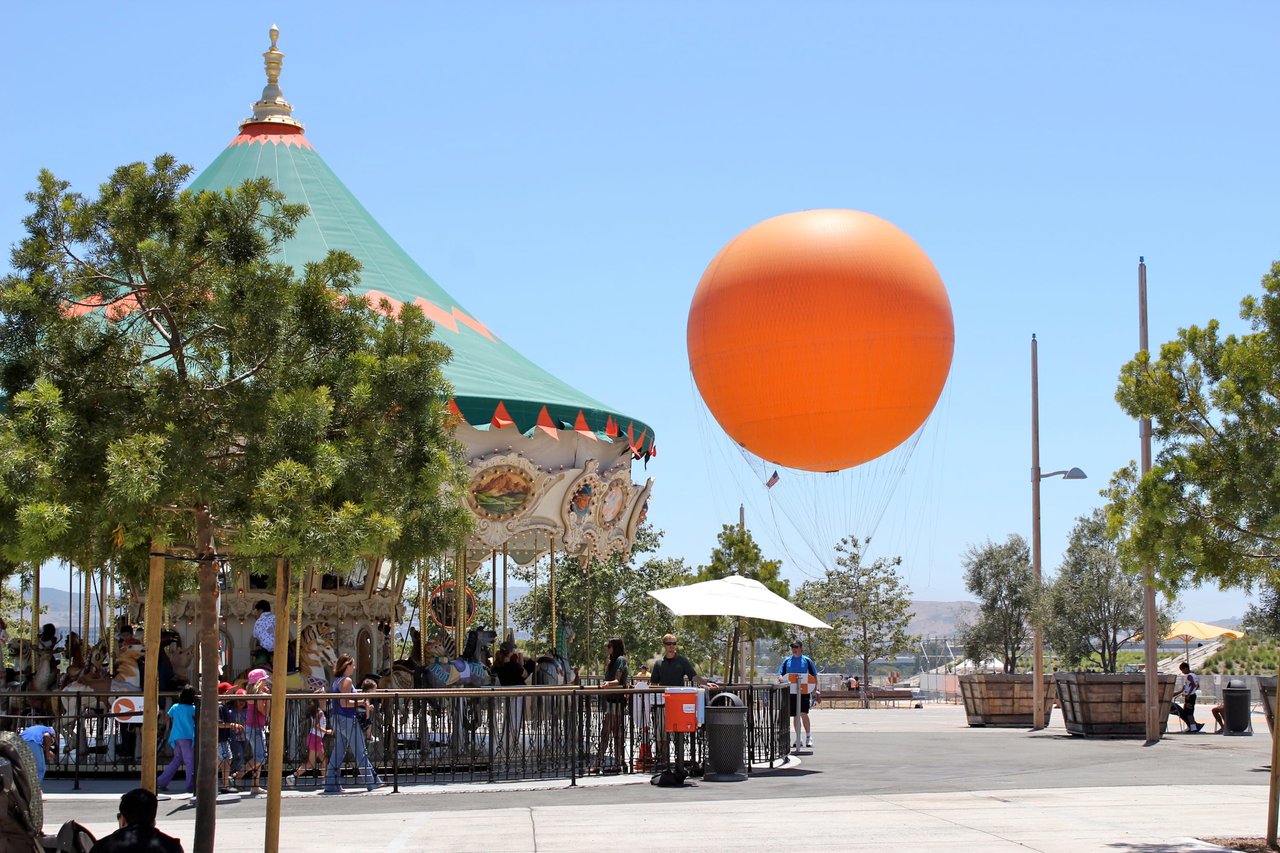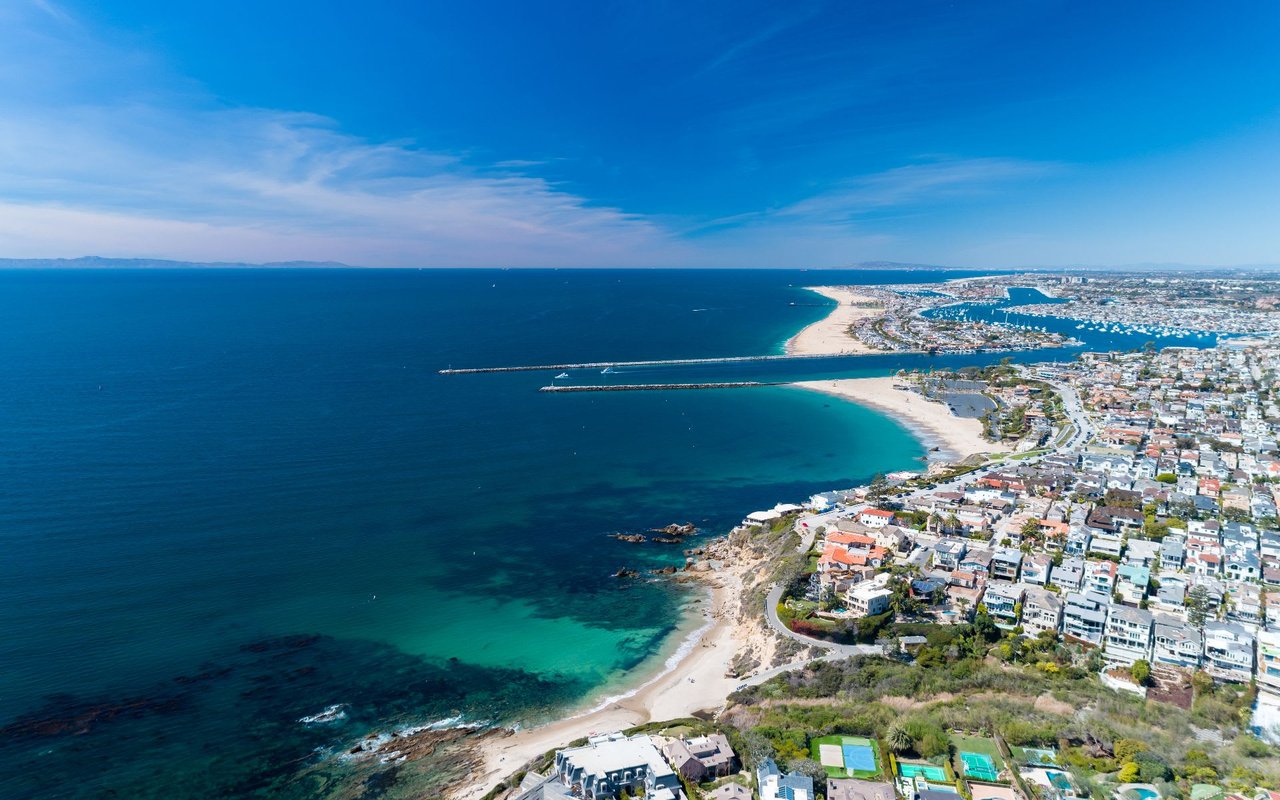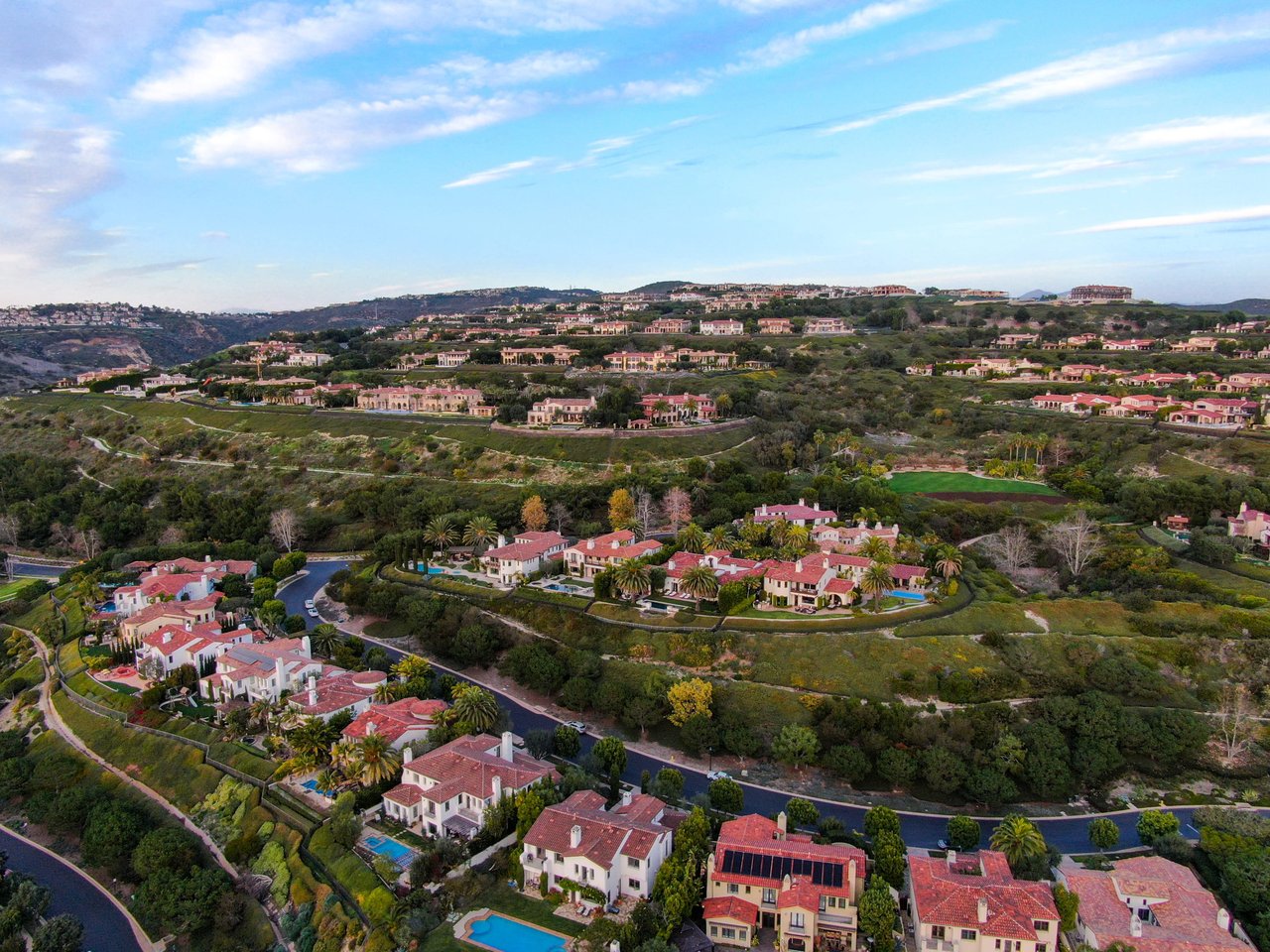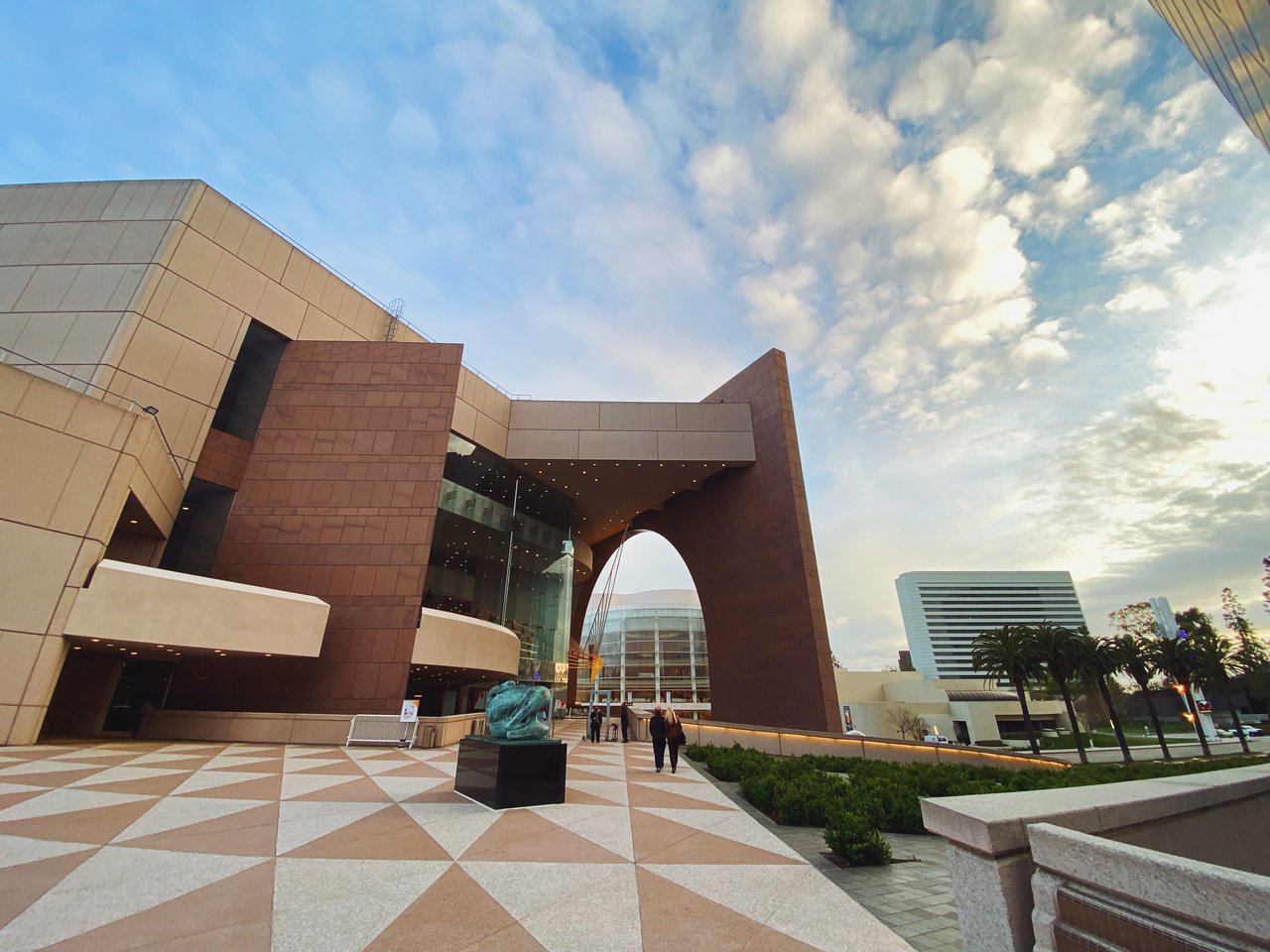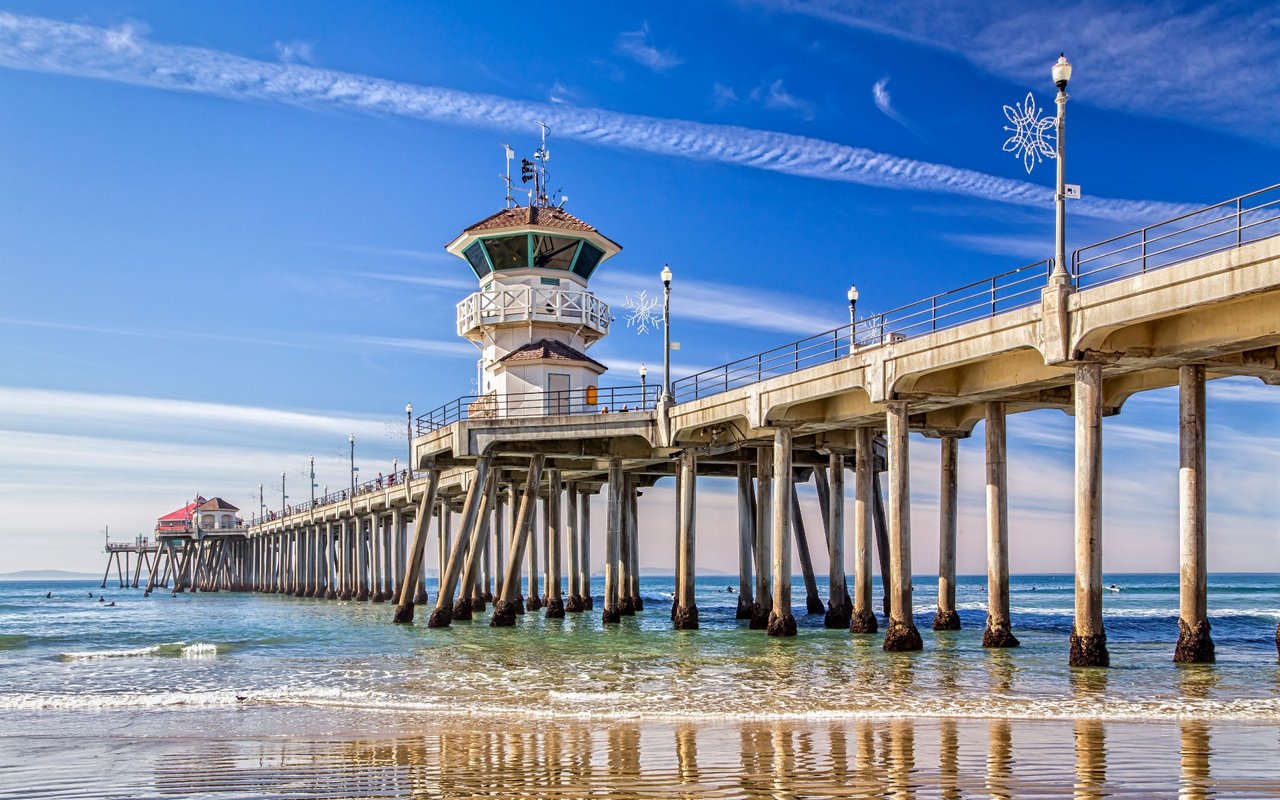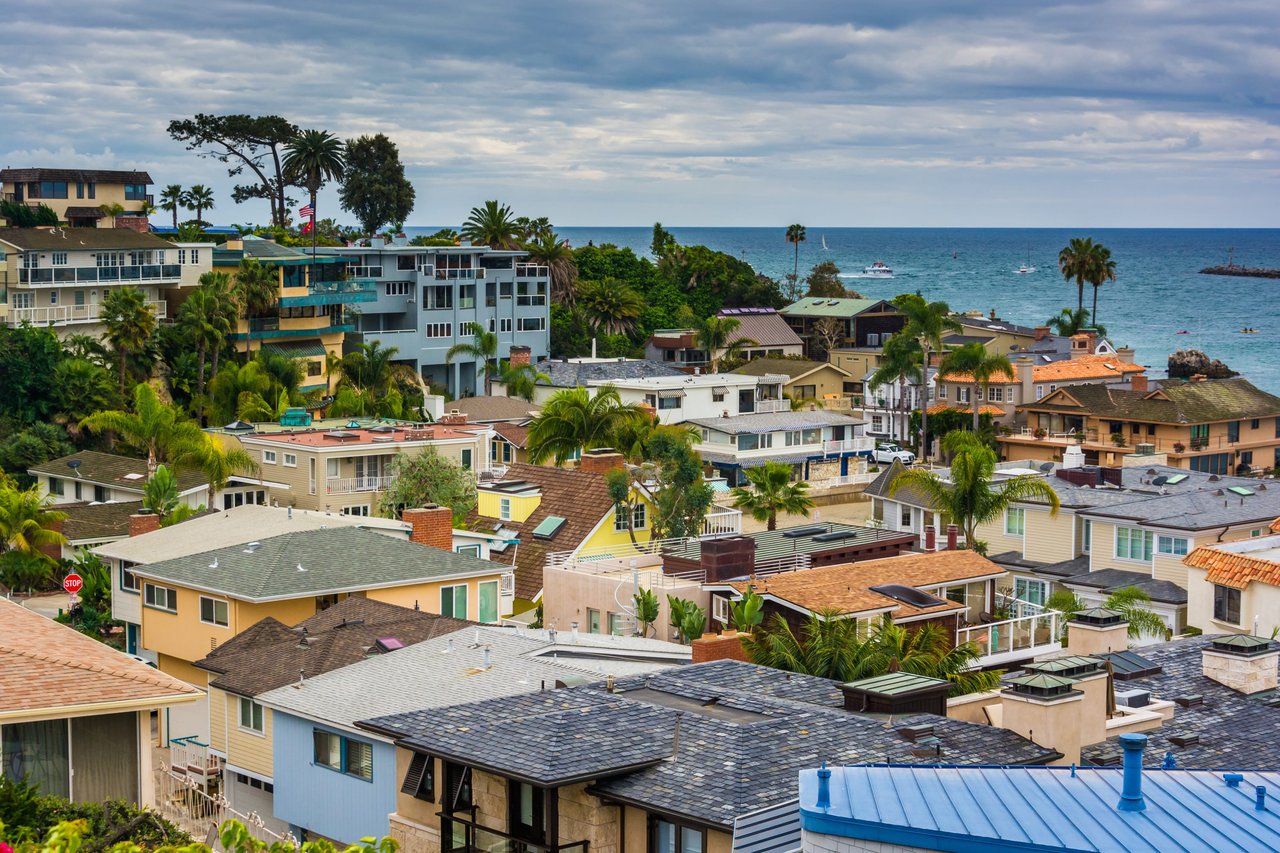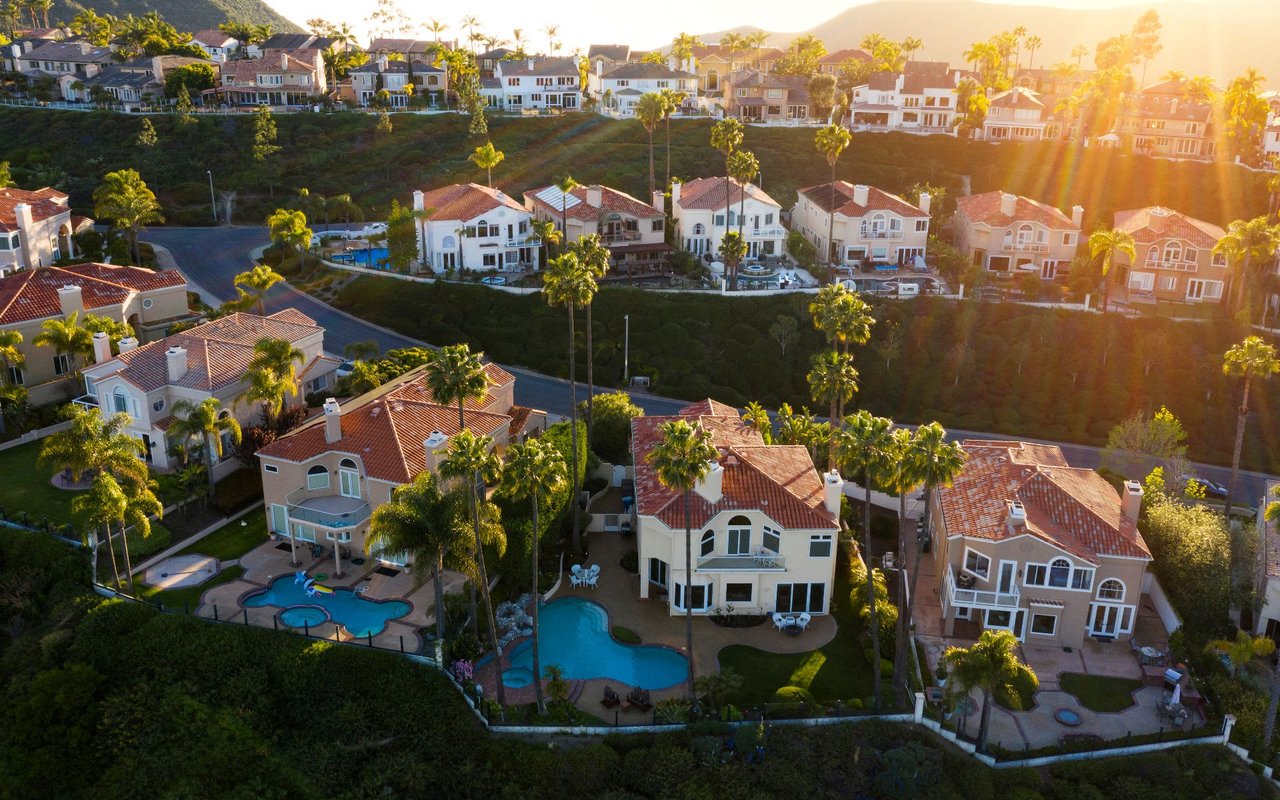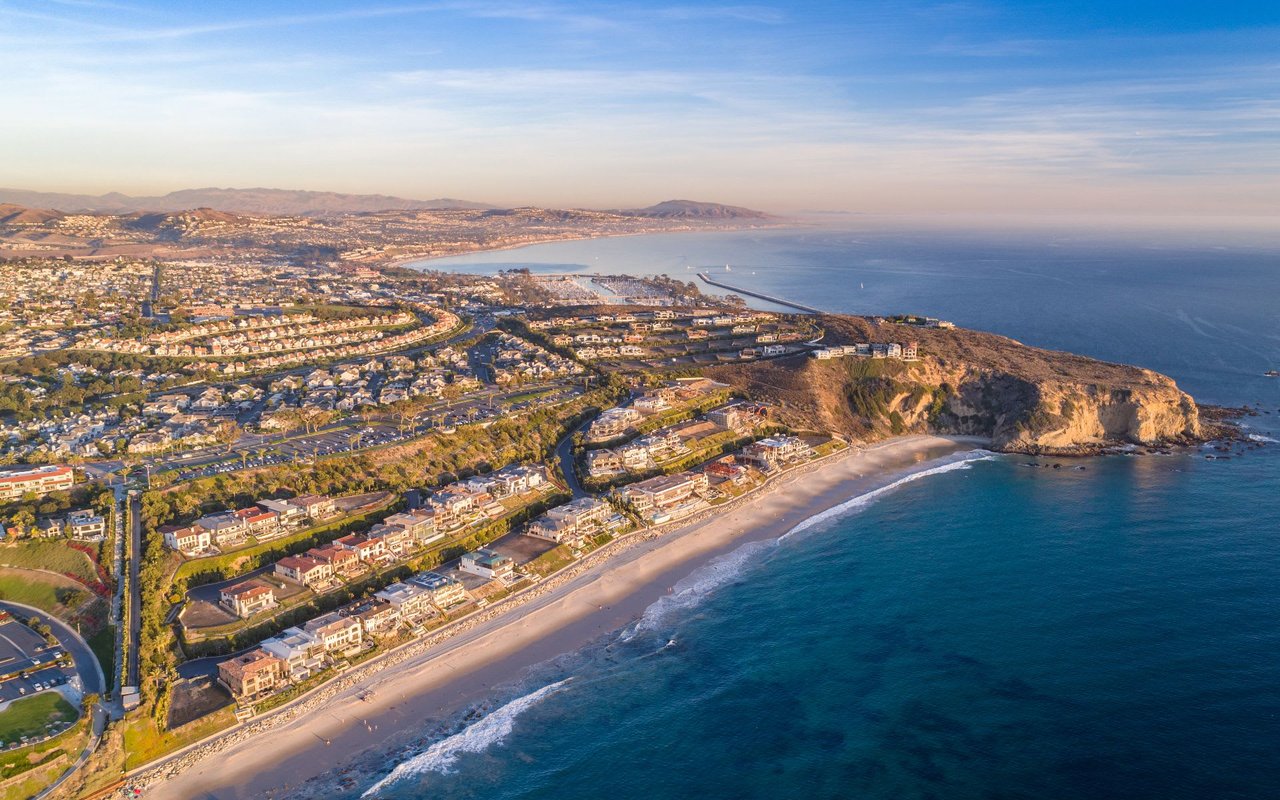
Located immediately inland from Newport Beach, Costa Mesa offers an unusually broad range of residential experiences within one city. Its neighborhoods include tree-lined streets near the Upper Newport Bay, established golf-course communities, evolving creative districts, and more urban residences surrounded by internationally recognized shopping, dining and performing arts.
Costa Mesa incorporated in 1953, evolving from a semi-rural agricultural community into a city of approximately 112,000 residents and one of Orange County’s principal centers for commerce, retail and culture.
What distinguishes Costa Mesa is its relative independence from the uniformity of a traditional master-planned community. Architecture, lot sizes and streetscapes vary considerably, giving buyers opportunities to find homes with genuine individuality while remaining close to the coast, John Wayne Airport and Orange County’s primary employment centers.
Costa Mesa is best understood through its major residential districts, each of which offers a notably different lifestyle.
Eastside Costa Mesa is the city’s most established coastal-adjacent residential district. Positioned east of the 55 Freeway and bordering Newport Beach, it is known for mature trees, individually designed homes and convenient access to the restaurants and businesses surrounding 17th Street.
The area does not have the controlled architectural appearance of a newer planned village. Instead, its appeal comes from variety. Modest original cottages, mid-century ranch homes, extensively renovated properties and substantial new custom residences may all appear on the same street.
Eastside is particularly appealing to buyers who want a residential neighborhood while remaining close to everyday activity.
Residents enjoy convenient access to:
The proximity to 17th Street creates pockets of genuine walkability, particularly for homes near the southern end of Eastside. The neighborhood’s location beside Newport Beach also provides quick access to the harbor without the pricing or density found in many Newport communities.
Housing commonly includes:
Lot size, street character and surrounding development can vary considerably. Buyers often evaluate Eastside on a street-by-street basis rather than treating it as one uniform neighborhood.
Eastside is popular with families because of its established residential character, parks and access to schools within the Newport-Mesa Unified School District.
Nearby recreation includes:
School attendance boundaries should be verified for each property, particularly near the Newport Beach and Costa Mesa boundary.
Eastside Costa Mesa is best suited to those who value:
Among Costa Mesa’s neighborhoods, Eastside generally offers the strongest connection to the Newport Beach lifestyle.
Westside Costa Mesa occupies the area generally west of Harbor Boulevard and north of the Newport Beach boundary. Historically associated with light industry, modest residential streets and the city’s working-class roots, the neighborhood has undergone substantial change.
Today, the Westside combines original homes, new infill development, modern townhomes, design businesses, independent restaurants and creative commercial spaces. It is Costa Mesa’s most eclectic district and, in many respects, its least predictable.
Westside appeals to buyers who prefer character and creative energy over uniformity. Its location provides direct access to both Costa Mesa and the beaches of Newport and Huntington Beach.
Nearby destinations include:
The area includes active commercial corridors as well as quieter interior residential streets. This mix gives Westside an urban-coastal feeling that differs significantly from Eastside or Mesa Verde.
Housing includes:
Some properties provide substantial renovation or redevelopment potential, although zoning, lot configuration and surrounding uses require careful review.
Westside residents are especially close to some of Costa Mesa’s largest open spaces.
Nearby recreation includes:
Fairview Park is one of the district’s defining assets, offering broad open areas, trails and habitat rather than highly programmed recreation.
Westside can change noticeably from one block to another. Some streets are almost entirely residential, while others sit near industrial, retail or mixed-use properties.
For a discerning buyer, selecting the right micro-location is particularly important. Traffic patterns, future development and neighboring land uses should be evaluated alongside the home itself.
Westside Costa Mesa generally appeals to buyers seeking:
It is the strongest fit for those who appreciate Costa Mesa’s creative side and are comfortable with an area that continues to change.
Mesa Verde is one of Costa Mesa’s most recognizable traditional neighborhoods. Located in the western portion of the city, it is known for broad streets, mature landscaping, mid-century homes, neighborhood parks and proximity to the Costa Mesa Country Club.
The community was developed largely during the postwar expansion of Orange County and retains the spacious, lower-density character of that period. Tree-lined streets and predominantly detached single-family homes give Mesa Verde a more conventional suburban atmosphere than Eastside or Westside.
Mesa Verde is particularly well suited to buyers who want an established residential setting with convenient access to parks, schools and everyday services.
Community highlights include:
The area’s golf courses and open spaces provide a visual sense of greenery that distinguishes Mesa Verde from denser portions of Costa Mesa. Official destination materials describe it as one of the city’s most established neighborhoods, centered around parks, golf and a strong community atmosphere.
Housing predominantly includes:
Many homes were built with functional floor plans, private backyards and attached garages. Renovation levels vary widely, giving buyers options ranging from preserved original properties to comprehensively updated residences.
Mesa Verde is also known for several smaller residential tracts and sub-neighborhoods, including the highly regarded Inner Loop area.
Mesa Verde has long attracted families seeking larger lots, neighborhood parks and quieter residential streets.
Nearby amenities include:
The neighborhood’s sidewalks, cul-de-sacs and interior streets provide a different family experience from the more commercially connected Eastside.
Golf is central to Mesa Verde’s identity.
The area is associated with:
This concentration of golf and recreation is unusual for a coastal-adjacent Orange County neighborhood.
Mesa Verde is generally best for those seeking:
It offers some of Costa Mesa’s strongest traditional residential appeal.
South Coast Metro occupies the northern portion of Costa Mesa near South Coast Plaza, the 405 Freeway and the border with Santa Ana. It is the city’s most metropolitan district, combining residential communities with luxury retail, office towers, cultural institutions, hotels and restaurants.
Unlike Costa Mesa’s predominantly single-family neighborhoods, South Coast Metro offers a broader mix of condominiums, townhomes, apartments and detached residences. It is especially attractive to professionals who value centrality, low-maintenance living and immediate access to Orange County’s major commercial and cultural destinations.
The surrounding arts district includes:
Together, these institutions create one of the most significant concentrations of visual art, theater, music and luxury retail in Southern California. Costa Mesa’s official visitor organization identifies South Coast Metro as a district centered around shopping, dining and the performing arts.
Housing in and around South Coast Metro includes:
Some communities provide pools, fitness centers, controlled access and landscaped grounds, making the area suitable for residents seeking a more lock-and-leave lifestyle.
Residential character varies depending on whether a property is located near South Coast Plaza, along Sunflower Avenue or within one of the quieter interior enclaves.
South Coast Metro offers immediate access to:
Metro Pointe adds additional restaurants, shops and entertainment within the district.
This is Costa Mesa’s strongest location for residents who want an urban level of convenience without relocating to Los Angeles.
Families benefit from central access to schools, parks and cultural programming, although South Coast Metro generally feels busier and more commercially oriented than Mesa Verde or Eastside.
Buyers should consider:
South Coast Metro generally appeals to those seeking:
It is distinctly different from Costa Mesa’s coastal and suburban districts, offering a lifestyle centered on access, culture and convenience.
Community | Character | Housing | Best Suited For |
|---|---|---|---|
Eastside | Coastal-adjacent, established and active | Cottages, ranch homes and custom residences | Buyers seeking Newport proximity, character and walkability |
Westside | Creative, eclectic and evolving | Original homes, infill construction and townhomes | Buyers drawn to independent culture and long-term potential |
Mesa Verde | Traditional, spacious and family-oriented | Ranch homes, larger lots and golf-adjacent residences | Families seeking parks, yards and an established neighborhood |
South Coast Metro | Urban, cultural and highly connected | Condominiums, townhomes and select detached homes | Professionals and buyers prioritizing convenience and amenities |
Approximate drive times vary by neighborhood and traffic:
Costa Mesa appeals to buyers who want coastal access without a singular definition of how coastal living should look.
Eastside offers neighborhood character and proximity to Newport Beach. Westside provides a more creative and evolving environment. Mesa Verde delivers established residential living with parks, yards and golf. South Coast Metro offers culture, convenience and a more metropolitan lifestyle.
Together, these communities make Costa Mesa one of Orange County’s most varied residential markets—a city where buyers can prioritize architecture, walkability, outdoor space, culture or convenience without moving far from the coast.
The Swardstrom Group is committed to providing unparalleled personal attention to our clients in the Orange County Home Market.
Contact Us6833 Quail Hill Pkwy., Irvine, CA 92603 840 Newport Center Dr., Suite 100 Newport Beach, CA 92660 Rachel Swardstrom | CA DRE# 01907305 Doug Swardstrom | CA DRE# 01041404